Benign Prostate Enlargement: Symptoms, Diagnosis & Treatment
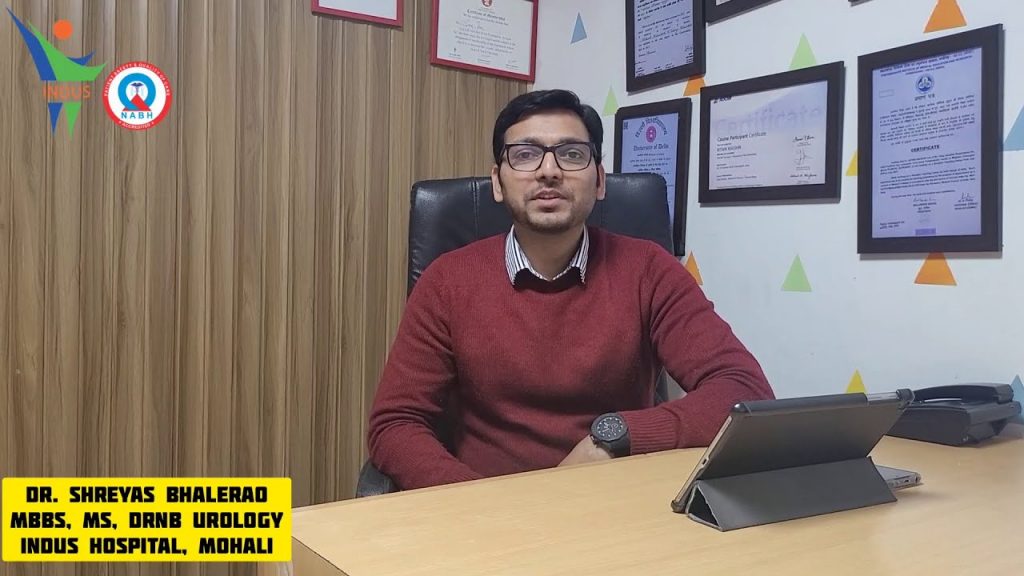
Benign Prostate Enlargement, medically known as Benign Prostatic Hyperplasia (BPH), is a common condition affecting men as they age. It occurs when the prostate gland enlarges, leading to urinary difficulties and discomfort. While BPH is not cancerous, it can significantly impact quality of life if not treated properly. Consulting the best urologist in Mohali or the best urologist in Panchkula is essential for early diagnosis and effective management of prostate conditions.
With advancements in urology, BPH can now be managed through medications and minimally invasive surgical procedures that provide excellent results with minimal recovery time. Understanding the symptoms, causes, and treatment options can help patients seek timely care and avoid complications.
What is Benign Prostate Enlargement?
The prostate is a small gland located below the bladder and surrounds the urethra, the tube that carries urine out of the body. As men age, the prostate gland naturally increases in size. In some cases, this enlargement becomes significant enough to compress the urethra and obstruct the flow of urine.
This condition is known as Benign Prostatic Hyperplasia. It is a non-cancerous enlargement but can cause bothersome urinary symptoms. BPH is extremely common in men above the age of 50 and its prevalence increases with age.
Causes of BPH
The exact cause of BPH is not fully understood, but it is closely linked to hormonal changes that occur with aging. Testosterone levels decrease while estrogen levels may relatively increase, contributing to prostate growth.
Other factors such as family history, obesity, diabetes, and lifestyle habits can also increase the risk of developing BPH. Men with sedentary lifestyles or poor dietary habits may be more prone to prostate enlargement.
Consulting the best urologist in Panchkula helps identify these risk factors and implement preventive measures for better prostate health.
Symptoms of Prostate Enlargement
The symptoms of BPH primarily affect urination. Patients often experience difficulty in starting urination, weak urine flow, and a feeling of incomplete bladder emptying. Frequent urination, especially at night (nocturia), is another common symptom.
Some individuals may also experience urgency, where there is a sudden and strong need to urinate. In more severe cases, patients may develop urinary retention, where they are unable to pass urine at all, requiring immediate medical attention.
Ignoring these symptoms can lead to complications such as bladder damage, urinary infections, and kidney problems. Early consultation with the best urologist in Mohali ensures timely diagnosis and effective treatment.
Diagnosis of BPH
Diagnosis of prostate enlargement involves a combination of medical history, physical examination, and diagnostic tests. A urologist may perform a digital rectal examination (DRE) to assess the size of the prostate.
Blood tests such as Prostate-Specific Antigen (PSA) help evaluate prostate health and rule out cancer. Imaging tests like ultrasound provide a detailed view of the prostate and urinary tract.
In some cases, additional tests such as uroflowmetry or cystoscopy may be recommended to assess urine flow and examine the bladder. The best urologist in Panchkula uses advanced diagnostic tools to ensure accurate evaluation and proper treatment planning.
Treatment Options for BPH
Treatment for benign prostate enlargement depends on the severity of symptoms and the overall health of the patient. In mild cases, lifestyle modifications and regular monitoring may be sufficient.
Medications are commonly prescribed to relax the muscles of the prostate and bladder, improving urine flow. Certain drugs can also help reduce the size of the prostate over time.
For moderate to severe cases, minimally invasive procedures are highly effective. Techniques such as Transurethral Resection of the Prostate (TURP), laser therapy, and other advanced procedures help remove or reduce excess prostate tissue.
These treatments are safe, effective, and offer quicker recovery compared to traditional surgeries. Consulting the best urologist in Mohali ensures access to the latest treatment options and personalized care.
Lifestyle Changes for Better Prostate Health
Adopting a healthy lifestyle plays a crucial role in managing and preventing prostate enlargement. Regular exercise, a balanced diet, and maintaining a healthy weight can significantly reduce symptoms.
Limiting caffeine and alcohol intake can help reduce urinary frequency and urgency. Drinking fluids at the right times and avoiding excessive fluid intake before bedtime can also improve symptoms.
Regular medical check-ups with the best urologist in Panchkula are essential for monitoring prostate health and detecting any changes early.
Why Choose Expert Urology Care?
Managing prostate enlargement requires specialized care and expertise. Choosing the best urologist in Mohali or Panchkula ensures accurate diagnosis, advanced treatment, and comprehensive care.
Experienced urologists focus on patient comfort, minimal invasive techniques, and long-term outcomes. Their expertise helps in effectively managing symptoms and improving quality of life.
Conclusion
Benign prostate enlargement is a common condition that can significantly affect daily life if left untreated. Understanding the symptoms and seeking timely medical care is essential for effective management.
With the help of the best urologist in Mohali and Panchkula, patients can receive advanced treatment and personalized care. Early diagnosis, proper treatment, and lifestyle changes can help manage symptoms and improve overall health.
If you are experiencing urinary symptoms or discomfort, do not ignore them. Consult an experienced urologist today for expert guidance and treatment.